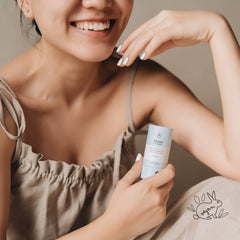
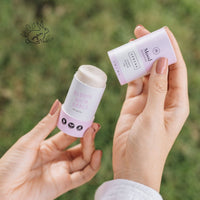
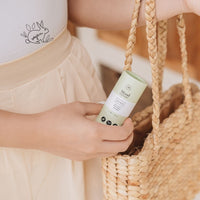
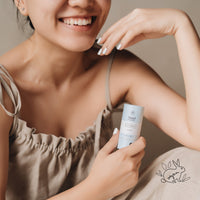
The time has come – your child’s armpits are starting to smell.
You know it’s time for them to start using a kid safe deodorant, but you’re wary of the deodorant options on the market. You may have heard that some of the ingredients in kids deodorant like antiperspirants can cause harm.

But does natural deodorant work? Will it hold up between your child’s midday gym class and their after-school activities? And besides, will your child like it enough to use it regularly?
We’ll get into the nitty-gritty about B.O. - what causes it, and how to tackle it. We’ll also compare the different deodorant options on the market and show you why our MOOD natural deodorant is the best deodorant for kids.
We hope by the end of this guide, you’ll feel less overwhelmed and more confident helping your child conquer body odor and boost their confidence.
Before we dive in, let’s answer the most common questions we get asked.
Generally, there’s no cause for concern if your child has armpit odor. Stinky sweat, especially in the underarms, is one of the first signs of puberty, when sweat glands become more active.
More and more children in Hong Kong, Singapore & Philippines are hitting puberty at a younger age. Girls can hit puberty as early as age 7 or 8, with boys hitting puberty as early as age 9.

There’s no golden rule for when a child should start using deodorant. Our youngest MOOD deodorant user ever was just 5 years old!
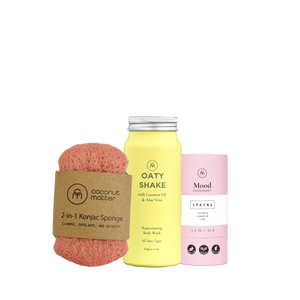
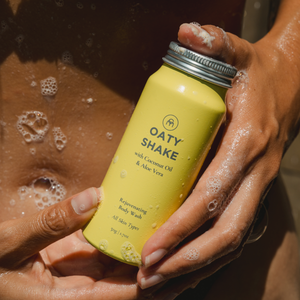
Is your child making any excuse to avoid showers? Maybe it’s time to go back to the importance of hygiene basics like proper washing and drying. Giving them a yummy-smelling body wash that makes them excited about shower time is a great starting point.
If your child still has a stink cloud hanging over them, then introducing a good kids deodorant might be the next step.
We know it can be overwhelming to wade through the sea of kids deodorant options on the market. So, between deodorant, antiperspirant, and natural deodorant, which is the best deodorant for kids? First, let’s look at how these three options compare.

Antiperspirant works by blocking sweat glands. The key ingredient, aluminum, clogs the pores, stopping sweat from happening in the first place.
Deodorants don’t contain aluminum, a sweat-blocker. Instead they mask odors with synthetic fragrances, which have been linked to disease, irritation, and allergic reaction.
Natural deodorant works by targeting odor-causing bacteria with only all-natural ingredients.
It doesn’t block sweat glands–after all, sweat rids toxins from the body and regulates body temperature.
Instead, it focuses on all-natural ingredients like arrowroot powder and tapioca starch to help your armpits stay dry all day.
When we compare natural deodorant with the other options, natural deodorant easily stands out as the best healthy deodorant for kids. Why?
In short, all the goodness, none of the nasties. It’s a win-win!

B.O. is no laughing matter, and you need a product that specifically targets it. It begs the question: does natural deodorant work?

Made and tested in hot, humid climates, our MOOD all-natural deodorants have a proven track record of stopping body odor for sweaty and smelly armpits.
Our customers include yoga masters, marathon runners, fitness instructors, and many more from all over the world like Hong Kong, Singapore and Philippines.
Check out our 5-star reviews here.
Did you know that sweat on its own is odorless? It’s the bacteria that hang out on your sweaty armpits that create that distinctive body odor smell.
MOOD deodorant helps you smell good with powerhouse ingredients like magnesium hydroxide, elderberry extract, triethyl citrate that target the root cause of body odor – bacteria.
Check out our infographic below to find out what heavy lifting these natural ingredients do for your underarms!

You can also browse our list of effective, natural ingredients to learn about what does (and doesn’t) go into our formula.
MOOD deodorant is the best deodorant for kids for a few reasons.
If you Googled “deodorant for kids Singapore”, “deodorant for kids Philippines” or “deodorant for kids Hong Kong”, then MOOD deodorant is the one for you. With over 600+ reviews, our natural deodorant works even for extra sweaty armpits!
Many natural deodorant brands use baking soda, which can be harsh on the skin or even cause skin darkening. This is especially of concern for young kids, who are extra sensitive to irritants.
With our MOOD deodorant, you can be sure that we don’t use baking soda and our formula is gentle to skin! Many customers have even noticed smoother and lighter underarms after use.
One of the biggest challenges for parents is finding products that their kids actually want to use.
Our young customers love how subtle and soothing our scents are. With mood-boosting essential oils like lavender, bergamot, and lime, your kids will be reaching out for their tube of deodorant themselves!
On top of that, we follow COSMOS standards when making our products. That way, you can feel safe knowing it’s made of all-natural ingredients that are good for your kid and our planet.
This is why MOOD is the recommended deodorant for kids!

For kids aged 7 and up, any MOOD deodorant is suitable.
For kids under the age of 7, we recommend our essential-oil free COCONUT option. It is also the best deodorant for kids with sensitive skin.
The coconut oil gives it a very mild aroma without the addition of essential oils.
Check out our MOOD deodorant quiz to find out the perfect healthy deodorant for your kid!
We hope this article made you feel confident in understanding the different options on the market.
We believe odor-causing bacteria is at the heart of the matter. If you want to get rid of body odor, the key is fighting bacteria - not stopping sweat or masking odors. Our MOOD natural deodorants help you do that and more.
With the dizzying amount of products on the market, use joy and beauty as your guiding light. We think the right kids deodorant is the one that makes your kids feel confident, and gives you, as a parent, peace of mind.
Shop our MOOD deodorant today and find the perfect kids deodorant for your child!
Generally, deodorants are safe for kids but you want to choose one that’s gentle on young skin.
MOOD is the best deodorant for kids with sensitive skin. There are no common irritants like aluminum, alcohol, baking soda or synthetic fragrances. Only 100% plant-based & gentle ingredients to prevent smelly armpits all day!
To find the best natural deodorant for kids girls and boys, we suggest looking at the following:
- Does it last all day even in hot & humid weather?
- Is it free from risky chemicals?
- Will my kid like it?
MOOD is the recommended deodorant for kids because it ticks all of the above boxes for parents all around the world.
MOOD is the best natural deodorant for kids.
It is handmade with 100% natural ingredients as listed below: *Maranta arundinacea Root Powder, *Cocos nucifera Oil, Magnesium Hydroxide, Isoamyl Laurate, Jojoba Esters, Caprylic/Capric Triglyceride, Cetyl Palmitate, *Butyrospermum parkii Butter, Triethyl Citrate, Tapioca Starch, Zinc Ricinoleate, Oryza sativa Bran Wax, Sambucus nigra fruit extract, Tocopherol, Ascorbyl Palmitate, Helianthus annuus Seed Oil,
*Organic certified
The following pure essential oils are also added to our scented MOOD Deodorant.
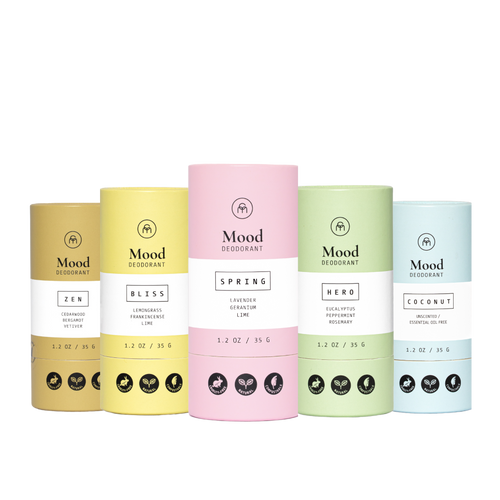
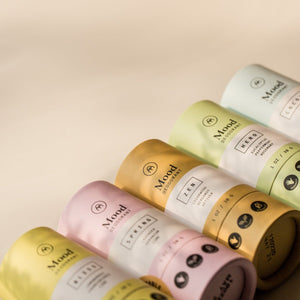
SPRING
Lavandula angustifolia Flower Oil, Citrus aurantifolia Oil distilled, Pelargonium graveolens Flower Oil
**Limonene, **Geraniol, **Linalol
**Naturally occurring ingredients of essential oils
HERO
Rosemarinus officianalis Leaf Oil, Eucalyptus radiata Leaf Oil, Mentha piperita Oil
**d-Limonene, **Linalol
**Naturally occurring ingredients of essential oils
BLISS
Cymbopogon citratus leaf oil, Boswellia carterii oil, Citrus aurantifolia peel oil distilled
**Citronellol, **Geraniol, **Linalol, **Citral, **Limonene
**Naturally occurring ingredients of essential oils
ZEN
Cedrus atlantica Bark Oil, Citrus aurantium bergamia Fruit Oil, Vetiveria zizanoides Root Oil,
**Linalol, **Limonene, **Benzyl Alcohol
**Naturally occurring ingredients of essential oils
Yes! There’s no better place for a safe deodorant suitable for 8 year old. Our youngest MOOD deodorant user ever was just 5 years old.
For kids under 7, we recommend going for our unscented coconut deodorant. It is also the best deodorant for kids with sensitive skin.
Otherwise explore and choose from our fun scent options here.
All of our MOOD deodorants work equally well to absorb sweat and get rid of odour-causing bacteria. For kids under 7 or with sensitive skin, we recommend going for our coconut deodorant. Otherwise let your nose & heart be your guide!
Still can’t decide? Check out our quiz here to find the recommended deodorant for your kid.
You can shop for our MOOD deodorants here. Enjoy 15% off today when you purchase our 5-pack value pack.
A natural deodorant is preferable over a chemically-based antiperspirant because it helps to avoid irritants that can upset young skin. A gentle formula for kids not only provides the necessary odour protection but also respects and maintains their skin's natural balance.
Choosing a natural deodorant for children ensures that their transition into personal hygiene is safe, smooth, and skin-friendly.
When choosing deodorants for young ones, it's wise to avoid certain harmful chemicals that could be unkind to their skin. The deodorant ingredients to watch out for include aluminum, parabens, and artificial fragrances.
Aluminum is commonly used in antiperspirant deodorants to stop sweating, but for kids, it's better to choose an aluminum-free option. Their little bodies are still growing, and it's best not to interfere with their natural sweating process.
Parabens are another group of chemicals that sometimes pop up in antiperspirants. These preservatives can mess with the body's normal hormone workings, so it's a good idea to go for paraben-free products for children.
Lastly, it's important to avoid deodorants that have artificial fragrances. These can be a mixture of many chemicals, some of which might not be too friendly to sensitive skin and can cause irritation or allergic reactions.
By looking for deodorants that are free from these substances, you can help make sure your child stays fresh and smells great in the kindest way possible to their skin. Always check the label to make sure these ingredients aren't included in your child's deodorant.
You could make the conversation more engaging by suggesting a fun activity: such as shopping for their very first deodorant together. This not only makes it a shared adventure but also gives them some control over the choice, which can be quite empowering. Explain that choosing a deodorant is a way to take care of their body and stay feeling and smelling fresh.
Remember to keep the body odour conversation positive and reassuring. Emphasise that it's all part of growing up and that everyone goes through it. By being open and making it an enjoyable and informative experience, you can help your child feel confident and ready to tackle their personal hygiene routine with confidence and a smile.
In the case of MOOD deodorant, for instance, consumer feedback has shown that girls tend to favour scents like SPRING, BLISS, and HERO, while boys often prefer HERO, BLISS, and ZEN. It's interesting to note that some fragrances, like BLISS and HERO, are universally appealing, regardless of gender.
The key takeaway is that gender-specific deodorants are not a necessity for children. It's more important to look for a deodorant that suits the child's skin sensitivity and personal scent preference. When selecting a deodorant, consider the ingredients, and opt for those that offer gentle protection without harsh chemicals. Encourage your child to be part of the selection process, as this can help them feel more involved and cater to their individual likes and needs.
When you think your child might be reacting to a deodorant allergy, the first step is to stop using the product. Gently cleanse the affected area with mild soap and water to remove any traces of the deodorant. It's also wise to seek advice from a healthcare professional, who can confirm the allergy and provide guidance on treatment and alternative options.
It's crucial to read and follow the usage instructions for any deodorant carefully. Take MOOD deodorant as an example; it is a concentrated product, and the recommendation is to apply just 2 to 3 swipes per armpit and then rub it in. Applying too much can lead to skin irritation or an allergic reaction. Over-application is a common mistake that can easily be avoided by using less and adhering to the suggested use.
Always consider choosing deodorants that are formulated for sensitive skin and are free from fragrances and harsh chemicals, as these are typically gentler and less likely to cause a reaction. And remember, before your child begins using a new deodorant regularly, it's a good idea to perform a patch test: apply a small amount to a patch of skin and wait 24 hours to check for an adverse reaction. This simple step can help ensure your child's comfort and safety when using a new deodorant.
However, it's important to be aware that synthetic fragrances can sometimes trigger allergies. These reactions can range from headaches and nasal allergies to skin irritations. If your child experiences any of these symptoms, it might be due to the synthetic chemicals in their deodorant.
On the other hand, deodorants scented with natural essential oils are often preferred for their purity and the added benefit of aromatherapy. Essential oils can provide a subtle, natural fragrance while also offering therapeutic properties. But even natural fragrances can contain allergens that occur naturally, and these too can cause irritation for some children.
When selecting a deodorant for your child, consider their individual skin type and any known sensitivities. If you're leaning towards a product with a natural scent, look for those that are labelled as 'hypoallergenic', as these are formulated to reduce the risk of allergic reactions. We often recommend children under 7 years of age to avoid all fragrances including essential oils.
Regardless of the type of fragrance you choose, conducting a patch test before regular use is a sensible precaution. Apply a small amount of the deodorant to a patch of skin and monitor the area for 24 hours to check for any adverse reactions. This approach helps to ensure that the deodorant is safe and comfortable for your child to use daily.
Deodorants for active kids should be formulated to support their bodies' natural functions, like sweating, which is healthy and normal. A well formulated natural deodorant is effective at absorbing sweat and fighting off odour-causing bacteria without being too harsh on the skin. Products like MOOD deodorant are designed to provide this balance, keeping children fresh throughout the day without overbearing chemicals.
It's always better to encourage good hygiene practices, such as washing regularly after physical activities and then applying a fresh layer of deodorant. This approach is more beneficial for a child's skin and overall health than simply using a stronger deodorant to mask odours.
So, while there are deodorants marketed as being specifically for active or athletic children, it's the formulation that matters most. Look for natural, gentle options that offer effective odour protection and are suitable for the increased activity levels of your child. Good personal hygiene, coupled with the right deodorant, will keep your child feeling fresh and confident, without the need for products with potentially harmful ingredients.
During this time, the body odour during puberty can become more noticeable, as the hormones can change not only the amount but also the composition of sweat, which in turn can affect how it smells. It's essential, therefore, to find a deodorant that addresses changing hormones. This includes products that are gentle enough for sensitive, developing skin but robust enough to handle new levels of sweat and odour.
Aware of the potential risks of certain chemicals, many parents choose deodorants that are free from parabens and triclosan, ingredients thought to be endocrine disruptors. By avoiding these substances, parents are making a safer choice for their children during a vulnerable phase of physical development.
Finding the right deodorant during this critical time is about balancing effective odour control with ingredients that are safe for young, sensitive skin. With careful selection and a good personal hygiene routine, managing body odour during puberty can be straightforward and worry-free.
If there is a need for kids to share deodorant, it’s best to avoid direct skin contact with the product. A hygienic approach is to carefully scrape off a bit of the deodorant with the back of a clean fingernail or a disposable item and then apply it to the skin. This method significantly reduces the risk of transferring bacteria between children.
The conversation around kids sharing personal care items is an opportunity to educate them on the importance of good hygiene practices. Personal care items like deodorants are designed for individual use to help prevent the spread of germs.
In essence, while sharing most things can be an act of kindness, personal care items should be used individually to maintain good personal hygiene. If your children need to share, ensure they do so in a way that keeps them clean and healthy.
It's important to be attentive to early body odour in children as it often signals the appropriate time to introduce deodorant. Here are some key signs indicating when your children should start using deodorant:
Being observant of these signs can guide you in deciding when to introduce deodorant to your child. Choosing a gentle product, such as MOOD deodorant, which caters for the delicate skin of young users, can make this transition smoother. Every child is different, so while some may need to start using deodorant at a younger age, others might not require it until later. The focus should be on your child's individual needs, preferences and comfort.
When it comes to deodorant health risks and the effects of early deodorant use, parents are often cautious, and rightly so. Let's delve into the long-term effects and the safety of children's deodorant:
Long-term Effects of Early Deodorant Use: The skin of young ones is delicate, and certain ingredients in deodorants may pose risks. While conclusive long-term studies are not available, concerns have been raised about several commonly used ingredients.
Choosing the Right Product: To ensure children's deodorant safety, here are six ingredients best avoided, along with the reasons why:
For concerned parents, the take-home message is to look for deodorants labeled as free from these ingredients. Brands are increasingly formulating products that are gentle and safe for young skin, often using natural ingredients. Always read labels and consider consulting a healthcare professional for personalised advice on children's deodorant safety.
By being informed and choosing your child’s deodorant wisely, you can help ensure the well-being of your child's health and mitigate any potential deodorant health risks associated with early use.
Understanding the deodorant impact on sweat glands and its role in children's natural development is essential for parents. Let's explore how deodorants might interact with a child's body:
Deodorants and Sweat Glands: Natural deodorants work by neutralising body odour, and most do not interfere with the sweating process itself. This means that they should not affect the natural function of sweat glands in children.
Antiperspirants vs. Deodorants: It's important to note the difference between deodorants and antiperspirants. Antiperspirants contain aluminum-based compounds that temporarily block the sweat glands to reduce perspiration. While this is generally considered safe, there is ongoing discussion about the long-term effects of these compounds, particularly in relation to young, developing bodies.
Children's Deodorant Effects: When it comes to children's deodorant effects on natural development, the main concern revolves around ingredients that could potentially disrupt hormonal balance or irritate sensitive skin.
Here are a few points to consider for children's deodorant safety:
By selecting products with the right ingredients and being mindful of the potential natural development implications, you can help ensure that your child's use of deodorant is safe and aligns with their body's natural growth processes. Always read labels carefully and seek advice from a healthcare professional if you have concerns about specific products or ingredients.