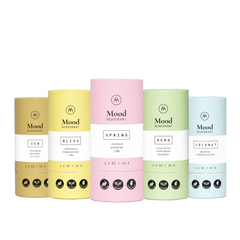
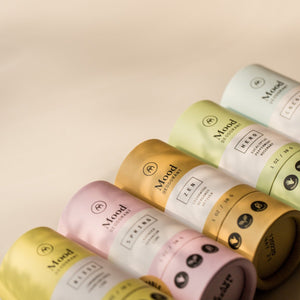
MOOD Deodorant 5 Pack - Full Collection
1

€71,96€89,95
 20%OFF

 You’ve unlocked FREE SHIPPING 🥳You’ve unlocked FREE SHIPPING 🥳20%OFF

1. Matcha Green Tea Catechins
Matcha leaves have compounds called catechins, which are like tiny superheroes for your hair. The strongest superhero in matcha is called EGCG. EGCG protects your hair from free radicals that can hurt it, like stress and pollution. This can stop your hair from turning grey or getting thin too soon [2]. That's why we put matcha powder in our MATCHA Shake shampoo.
EGCG also helps extend the growth (anagen) phase to allow more time for your hair to grow longer and enables faster hair production. It also makes your hair stronger. Using matcha green tea often can help your hair grow thicker and faster.
2. Aloe vera's Antioxidant Vitamins
Aloe vera is filled with essential nutrients like vitamins A, C, and E. Using Aloe vera often can really help make dry, flaky, swollen, red, and irritated scalp better. These issues can happen when your scalp is stressed or when you have skin conditions like seborrheic dermatitis.
Aloe vera's natural powers calm down irritation while its vitamins feed your scalp. Aloe vera can protect your hair from damage caused by chemicals processing treatments like hair dyeing or perming. Both our MATCHA Shake and GOJI Shake shampoos have Aloe vera to help repair damaged and irritated scalps.
3. Argan Oil's Vitamin E
Argan oil comes from the Argan tree and is packed with a powerful antioxidant vitamin E. Argan oil can help hair grow, especially for those with thinning hair or hair loss.
Vitamin E in Argan oil feeds dry, damaged hair, makes it shiny, and protects it from oxidative stress. Vitamin E also saves your hair from breaking from using too many chemical hair products. Our MATCHA Shake and GOJI Shake shampoos have Argan oil to make your hair thicker and stronger.
4. Emblica Extract’s Vitamin C
Emblica fruit extract, also called Indian Gooseberry, comes from the Phyllanthus emblica plant. It's full of a powerful Vitamin C. Vitamin C can help reduce hair loss, supports collagen production to make your hair stronger, and stops it from breaking easily. Our MATCHA Shake shampoo uses this extract to help your hair.
Vitamin C also keeps your hair safe from damage caused by oxidative stress and heat damage. It strengthens weak hair by giving it the help it needs.
5. Goji Berry’s Zeaxanthin
Goji berries are full of antioxidant carotenoids called zeaxanthin and Vitamin C [3]. Eating goji berries or putting it in your hair products can help it grow and make it healthier. This is especially good for hair that's been heated with styling tools and chemical processing. The antioxidants in goji berries help your hair grow, improves blood flow, and makes your hair healthier. Our GOJI Shake shampoo uses goji berry extract to help your hair.
For hair that's been dyed or treated with chemicals, goji berries can help. Zeaxanthin and Vitamin C in goji berries fight damage from chemicals, heat styling, and UV rays. This damage can make hair colour fade and hair to dry out. The antioxidants goji berries help your hair keep moisture and stay vibrant. Goji also refills the antioxidants that get used up by chemical processing. Better blood flow also helps your hair grow by making hair roots stay active longer before shedding and regenerating.
1. Oat milk
Oat milk powder is unique because they have a compound called avenanthramides. This is an antioxidant that you can only find in oats. It helps reduce redness and itching, and makes your skin stronger.
Oats also have polysaccharides which help reduce dryness and balance your skin's pH levels. Dermatologists often suggest oatmeal baths to soothe skin conditions like eczema. Oat milk powder is perfect for helping sensitive skin because it's gentle and full of antioxidants.
2. Aloe Vera
Aloe vera leaves are full of skin-soothing ingredients like Vitamin C and E, and amino acids. It hydrates dry skin and speeds up healing for irritation and sunburn.
Aloe vera reduces redness and protects troubled skin from infection. The mix of antioxidants and fatty acids in Aloe vera is great for repairing the moisture barrier of sensitive skin.
3. Virgin Coconut Oil
Cold-pressed extra virgin Coconut oil is good for skin that's inflamed and needs help. The healthy fatty acids in coconut oil help keep your skin moist without blocking your pores. Coconut oil also has antioxidant polyphenols that help repair UV damage.
Coconut oil can help make dry skin, irritated skin, and skin conditions better by adding moisture and antioxidants back into your skin. It's light and soaks into your skin without making it greasy.
4. Sandalwood Powder
Sandalwood powder comes from the Santalum album tree contains inflammation-reducing polyphenols with antioxidant and antiseptic effects. It soothes irritated skin, reduces redness and tightness, and helps your skin repair and regenerate.
If your skin is oily or you have acne, sandalwood can help balance it. It's an excellent addition to face masks and creams for sensitive skin.
5. Citrus aurantium peel powder
Bitter orange peel powder, also known as Citrus aurantium peel powder, has strong antioxidants like hesperidin, naringin, and neohesperidin[5]. These antioxidants protect your skin from free radicals such as UV rays, pollution, and other environment stressors that make you age faster.
The antioxidants in bitter orange peel help reduce swelling, oxidative damage, and collagen loss. Using bitter orange peel powder gives your skin antioxidants protection and helps stop early wrinkles, age spots, and sagging skin. With regular use, bitter orange peel powder gives your skin the antioxidant nutrients it needs to stay young and healthy.
6.Turmeric Root Extract
Turmeric, or Curcuma longa root, is a bright yellow spice that's really good for your skin. It has antioxidants and anti-inflammatory components called curcuminoids. Turmeric helps make irritated skin feel better, reduces swelling and redness, and protects your skin from free radicals. It can help balance oily skin and make dark spots and acne scars lighter. Turmeric can also help heal sensitive skin.
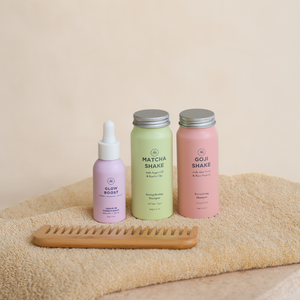
We handcraft hair and skin wash concentrates to give your hair and skin the antioxidants they need. Our travel size shampoo - MATCHA Shake nourishes your hair, GOJI Shake helps coloured hair stay vibrant. OATY Shake travel size body wash keeps skin soft and smooth. Pick the shampoo you like and add body wash for even more antioxidants!
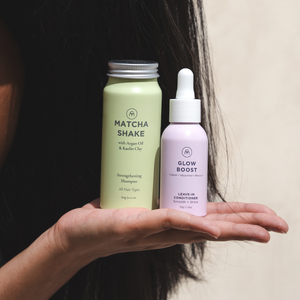
Our MATCHA Shake shampoo concentrate rejuvenates your hair. It uses the antioxidants in matcha powder to make your hair healthy from root to tip.
Packed with catechins, Matcha makes weak hair stronger and smooth out dull, damaged hair leaving it silky smooth and glowing.
We added argan oil, which has a lot of vitamin E, to intensify the nourishing effects making your hair smooth and protected.
Kaolin clay takes out impurities and toxins from your hair to make your scalp feel fresh while matcha and argan oil repair any damage.
With a concentrated dose of antioxidants and botanical nutrients, our Matcha Shake powder shampoo makes your hair shiny and supple. With everyday use, see dry, dull hair change into strong, healthy hair.
Protect your hair from oxidative stress from the environment with the restorative botanical power of matcha. Start nourishing your hair today.
Restore faded, damaged hair better with our Goji Shake, a shampoo concentrate powder. It's made to bring back the bright and shiny look in colour-treated hair.
Goji berries have strong antioxidants that protect weak hair and make strands healthy. They help fight the oxidative stress of chemicals used in hair colour. Using goji helps put the essential antioxidants back into your hair to preserve color vibrancy and for hair to stay hydrated.
Aloe vera has vitamins that calm the scalp from chemical irritation. It has enzymes that help clean your hair gently and keep colour lasting longer, extending time between salon visits..
Rice protein makes weak hair stronger and stops it from breaking. It also helps keep colour in hair. The antioxidants in it protect hair from UV rays that cause colour to fade.
Our antioxidant-rich GOJI Shake shampoo has powerful plants like Goji, Aloe vera, Turmeric and Rice Protein. It makes your distressed, coloured hair smooth, strong, and shiny again.
See dull hair change with improved texture. Goji Shake gives colour-treated hair the antioxidant nutrition it needs to stay vibrant and strong.
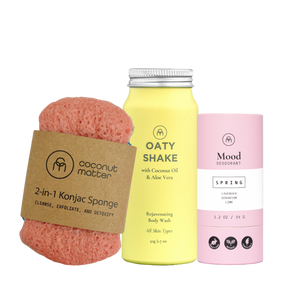
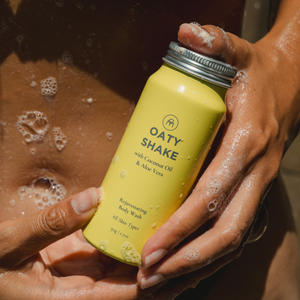
Take care of stressed, irritated skin with our Oaty Shake body wash concentrate. It uses the gentle power of oats to make your skin feel better.
Oat avenanthramides make inflammation and redness better right away. Coconut oil conditions your skin and gives deep hydration to dry, flaky skin.
Rice protein peptides make the skin barrier stronger, keeping moisture in and protecting skin from the environment aggressors.
Oaty Shake foams lightly to clean out impurities without drying out your skin. Oats help fight free radicals and relieve itching.
Coconut oil gives deep nourishment with its fatty acids and antioxidants, making your skin supple and smooth. Rice protein helps protect your skin from ageing too soon.
With daily use, see red, irritated skin become calm and balanced. Oaty Shake brings a healthy, youthful glow back to stressed skin.
By eating and drinking foods rich in antioxidants, and living a life full of antioxidants, you'll help Matcha Shake, Goji Shake, and Oaty Shake make your hair and skin healthier!
Our SHAKES Pack an Antioxidant Punch to Reverse Damage
Antioxidants are important compounds that help stop and undo damage caused by free radicals. This keeps your hair strong and your skin young and glowing.
Use our Matcha Shake, Goji Shake, and Oaty Shake, which are full of antioxidants, for hair and skin wash that protects and nourishes your hair and skin.
And try our tips to get even more antioxidants in your life! With antioxidants helping you, you can fight damaged hair and skin for healthy, vibrant hair and skin.
References:
[1] Efficacy of antioxidants in human hair Journal of Photochemistry and Photobiology
[2] The biology of human hair greying Cambridge Philosophical Society
[3] Goji Berry Composition and Health Effects Journal of Food and Nutritional Science
[4] Avena sativa: An Effective Natural Ingredient in Herbal Shampoos for the Treatment of Hair
British Journal of Medicine & Medical Research
[5] The Anti-Aging Potential of Neohesperidin and Its Synergistic Effects with Other Citrus Flavonoids Molecules. 2019
A natural deodorant is preferable over a chemically-based antiperspirant because it helps to avoid irritants that can upset young skin. A gentle formula for kids not only provides the necessary odour protection but also respects and maintains their skin's natural balance.
Choosing a natural deodorant for children ensures that their transition into personal hygiene is safe, smooth, and skin-friendly.
When choosing deodorants for young ones, it's wise to avoid certain harmful chemicals that could be unkind to their skin. The deodorant ingredients to watch out for include aluminum, parabens, and artificial fragrances.
Aluminum is commonly used in antiperspirant deodorants to stop sweating, but for kids, it's better to choose an aluminum-free option. Their little bodies are still growing, and it's best not to interfere with their natural sweating process.
Parabens are another group of chemicals that sometimes pop up in antiperspirants. These preservatives can mess with the body's normal hormone workings, so it's a good idea to go for paraben-free products for children.
Lastly, it's important to avoid deodorants that have artificial fragrances. These can be a mixture of many chemicals, some of which might not be too friendly to sensitive skin and can cause irritation or allergic reactions.
By looking for deodorants that are free from these substances, you can help make sure your child stays fresh and smells great in the kindest way possible to their skin. Always check the label to make sure these ingredients aren't included in your child's deodorant.
You could make the conversation more engaging by suggesting a fun activity: such as shopping for their very first deodorant together. This not only makes it a shared adventure but also gives them some control over the choice, which can be quite empowering. Explain that choosing a deodorant is a way to take care of their body and stay feeling and smelling fresh.
Remember to keep the body odour conversation positive and reassuring. Emphasise that it's all part of growing up and that everyone goes through it. By being open and making it an enjoyable and informative experience, you can help your child feel confident and ready to tackle their personal hygiene routine with confidence and a smile.
In the case of MOOD deodorant, for instance, consumer feedback has shown that girls tend to favour scents like SPRING, BLISS, and HERO, while boys often prefer HERO, BLISS, and ZEN. It's interesting to note that some fragrances, like BLISS and HERO, are universally appealing, regardless of gender.
The key takeaway is that gender-specific deodorants are not a necessity for children. It's more important to look for a deodorant that suits the child's skin sensitivity and personal scent preference. When selecting a deodorant, consider the ingredients, and opt for those that offer gentle protection without harsh chemicals. Encourage your child to be part of the selection process, as this can help them feel more involved and cater to their individual likes and needs.
When you think your child might be reacting to a deodorant allergy, the first step is to stop using the product. Gently cleanse the affected area with mild soap and water to remove any traces of the deodorant. It's also wise to seek advice from a healthcare professional, who can confirm the allergy and provide guidance on treatment and alternative options.
It's crucial to read and follow the usage instructions for any deodorant carefully. Take MOOD deodorant as an example; it is a concentrated product, and the recommendation is to apply just 2 to 3 swipes per armpit and then rub it in. Applying too much can lead to skin irritation or an allergic reaction. Over-application is a common mistake that can easily be avoided by using less and adhering to the suggested use.
Always consider choosing deodorants that are formulated for sensitive skin and are free from fragrances and harsh chemicals, as these are typically gentler and less likely to cause a reaction. And remember, before your child begins using a new deodorant regularly, it's a good idea to perform a patch test: apply a small amount to a patch of skin and wait 24 hours to check for an adverse reaction. This simple step can help ensure your child's comfort and safety when using a new deodorant.
However, it's important to be aware that synthetic fragrances can sometimes trigger allergies. These reactions can range from headaches and nasal allergies to skin irritations. If your child experiences any of these symptoms, it might be due to the synthetic chemicals in their deodorant.
On the other hand, deodorants scented with natural essential oils are often preferred for their purity and the added benefit of aromatherapy. Essential oils can provide a subtle, natural fragrance while also offering therapeutic properties. But even natural fragrances can contain allergens that occur naturally, and these too can cause irritation for some children.
When selecting a deodorant for your child, consider their individual skin type and any known sensitivities. If you're leaning towards a product with a natural scent, look for those that are labelled as 'hypoallergenic', as these are formulated to reduce the risk of allergic reactions. We often recommend children under 7 years of age to avoid all fragrances including essential oils.
Regardless of the type of fragrance you choose, conducting a patch test before regular use is a sensible precaution. Apply a small amount of the deodorant to a patch of skin and monitor the area for 24 hours to check for any adverse reactions. This approach helps to ensure that the deodorant is safe and comfortable for your child to use daily.
Deodorants for active kids should be formulated to support their bodies' natural functions, like sweating, which is healthy and normal. A well formulated natural deodorant is effective at absorbing sweat and fighting off odour-causing bacteria without being too harsh on the skin. Products like MOOD deodorant are designed to provide this balance, keeping children fresh throughout the day without overbearing chemicals.
It's always better to encourage good hygiene practices, such as washing regularly after physical activities and then applying a fresh layer of deodorant. This approach is more beneficial for a child's skin and overall health than simply using a stronger deodorant to mask odours.
So, while there are deodorants marketed as being specifically for active or athletic children, it's the formulation that matters most. Look for natural, gentle options that offer effective odour protection and are suitable for the increased activity levels of your child. Good personal hygiene, coupled with the right deodorant, will keep your child feeling fresh and confident, without the need for products with potentially harmful ingredients.
During this time, the body odour during puberty can become more noticeable, as the hormones can change not only the amount but also the composition of sweat, which in turn can affect how it smells. It's essential, therefore, to find a deodorant that addresses changing hormones. This includes products that are gentle enough for sensitive, developing skin but robust enough to handle new levels of sweat and odour.
Aware of the potential risks of certain chemicals, many parents choose deodorants that are free from parabens and triclosan, ingredients thought to be endocrine disruptors. By avoiding these substances, parents are making a safer choice for their children during a vulnerable phase of physical development.
Finding the right deodorant during this critical time is about balancing effective odour control with ingredients that are safe for young, sensitive skin. With careful selection and a good personal hygiene routine, managing body odour during puberty can be straightforward and worry-free.
If there is a need for kids to share deodorant, it’s best to avoid direct skin contact with the product. A hygienic approach is to carefully scrape off a bit of the deodorant with the back of a clean fingernail or a disposable item and then apply it to the skin. This method significantly reduces the risk of transferring bacteria between children.
The conversation around kids sharing personal care items is an opportunity to educate them on the importance of good hygiene practices. Personal care items like deodorants are designed for individual use to help prevent the spread of germs.
In essence, while sharing most things can be an act of kindness, personal care items should be used individually to maintain good personal hygiene. If your children need to share, ensure they do so in a way that keeps them clean and healthy.
It's important to be attentive to early body odour in children as it often signals the appropriate time to introduce deodorant. Here are some key signs indicating when your children should start using deodorant:
Being observant of these signs can guide you in deciding when to introduce deodorant to your child. Choosing a gentle product, such as MOOD deodorant, which caters for the delicate skin of young users, can make this transition smoother. Every child is different, so while some may need to start using deodorant at a younger age, others might not require it until later. The focus should be on your child's individual needs, preferences and comfort.
When it comes to deodorant health risks and the effects of early deodorant use, parents are often cautious, and rightly so. Let's delve into the long-term effects and the safety of children's deodorant:
Long-term Effects of Early Deodorant Use: The skin of young ones is delicate, and certain ingredients in deodorants may pose risks. While conclusive long-term studies are not available, concerns have been raised about several commonly used ingredients.
Choosing the Right Product: To ensure children's deodorant safety, here are six ingredients best avoided, along with the reasons why:
For concerned parents, the take-home message is to look for deodorants labeled as free from these ingredients. Brands are increasingly formulating products that are gentle and safe for young skin, often using natural ingredients. Always read labels and consider consulting a healthcare professional for personalised advice on children's deodorant safety.
By being informed and choosing your child’s deodorant wisely, you can help ensure the well-being of your child's health and mitigate any potential deodorant health risks associated with early use.
Understanding the deodorant impact on sweat glands and its role in children's natural development is essential for parents. Let's explore how deodorants might interact with a child's body:
Deodorants and Sweat Glands: Natural deodorants work by neutralising body odour, and most do not interfere with the sweating process itself. This means that they should not affect the natural function of sweat glands in children.
Antiperspirants vs. Deodorants: It's important to note the difference between deodorants and antiperspirants. Antiperspirants contain aluminum-based compounds that temporarily block the sweat glands to reduce perspiration. While this is generally considered safe, there is ongoing discussion about the long-term effects of these compounds, particularly in relation to young, developing bodies.
Children's Deodorant Effects: When it comes to children's deodorant effects on natural development, the main concern revolves around ingredients that could potentially disrupt hormonal balance or irritate sensitive skin.
Here are a few points to consider for children's deodorant safety:
By selecting products with the right ingredients and being mindful of the potential natural development implications, you can help ensure that your child's use of deodorant is safe and aligns with their body's natural growth processes. Always read labels carefully and seek advice from a healthcare professional if you have concerns about specific products or ingredients.
 PROCEED TO CHECKOUT






 Natural Deodorant
 Hair
 Gentle Body Wash
 Virgin Coconut Oil
 Lip Balm
 Hand Balm
 Repellent
 Free Worldwide Shipping on Orders Over